Tag: stock prices

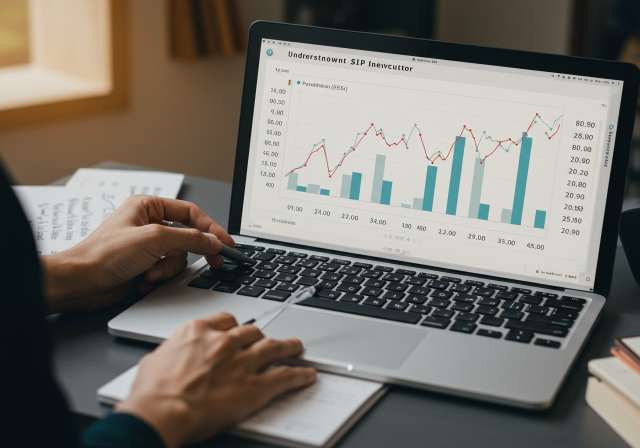
  • Decoding the Indian Stock Market: A Comprehensive Guide to the BSE

    Decoding the Indian Stock Market: A Comprehensive Guide to the BSE

    Navigate the Indian stock market with insights on BSE! Learn about its history, key indices like Sensex, trading, IPOs, and how it impacts your investments. Dis

    Navigate the Indian stock market with insights on bse! Learn about its history, key indices like Sensex, trading, IPOs, and how it impacts your investments. Discover BSE’s role in India’s financial growth.

    Decoding the Indian Stock Market: A Comprehensive Guide to the BSE

    Introduction: Understanding the Foundation of Indian Finance

    The Indian stock market is a dynamic and ever-evolving landscape, pivotal to the nation’s economic health. At its heart lie the stock exchanges, platforms where companies raise capital and investors participate in their growth. While the National Stock Exchange (NSE) has gained prominence in recent times, understanding the historical significance and current role of the Bombay Stock Exchange (BSE) is crucial for any investor in the Indian context.

    This article delves into the BSE, exploring its rich history, key functions, and how it interacts with the broader Indian financial ecosystem. We will cover topics ranging from understanding key indices like the Sensex to navigating the intricacies of Initial Public Offerings (IPOs) and their impact on your investment portfolio.

    A Historical Perspective: Tracing the Roots of the BSE

    Established in 1875, the Bombay Stock Exchange (BSE), formerly known as the Native Share & Stock Brokers’ Association, is Asia’s oldest stock exchange. Its humble beginnings can be traced back to a group of stockbrokers gathering under a banyan tree on Dalal Street, Mumbai. This informal setup gradually evolved into a structured organization, laying the foundation for the modern Indian stock market.

    Over the decades, the BSE has witnessed significant milestones, including:

    • Pre-Independence Era: Facilitating capital formation during British rule and supporting the growth of nascent Indian industries.
    • Post-Independence Era: Playing a vital role in the industrialization of India and contributing to the growth of the private sector.
    • Liberalization Era: Embracing technological advancements and modernizing its infrastructure to meet the demands of a rapidly growing economy.

    Today, the BSE stands as a testament to the resilience and adaptability of the Indian financial system, having weathered numerous economic cycles and regulatory changes.

    Key Indices: Navigating the Market with the Sensex

    Stock market indices serve as barometers of the overall market performance, providing investors with a snapshot of prevailing trends. The BSE’s flagship index, the S&P BSE Sensex (also known as the Sensex 30), is a widely recognized benchmark that tracks the performance of 30 of the largest and most actively traded companies listed on the exchange. These companies represent various sectors of the Indian economy, making the Sensex a valuable indicator of overall market sentiment.

    Other important indices on the BSE include:

    • BSE 100: Tracks the performance of the top 100 companies listed on the exchange.
    • BSE 500: Represents a broader market index, tracking the performance of 500 companies.
    • Sectoral Indices: Focus on specific industries, such as banking, technology, or healthcare, providing insights into the performance of individual sectors.

    Understanding these indices is crucial for investors as they help in gauging the overall market trend and comparing the performance of individual stocks against the broader market.

    Trading on the BSE: A Step-by-Step Guide

    Investing in stocks listed on the BSE requires opening a Demat (Dematerialized) and trading account with a registered brokerage firm. This account allows you to electronically hold and trade shares. The trading process typically involves the following steps:

    1. Account Opening: Choose a reputable brokerage firm and complete the account opening formalities, including KYC (Know Your Customer) verification.
    2. Fund Transfer: Transfer funds from your bank account to your trading account.
    3. Order Placement: Place buy or sell orders through your broker’s trading platform, specifying the quantity and price.
    4. Order Execution: The exchange matches your order with a corresponding order from another investor, and the trade is executed.
    5. Settlement: The exchange clears and settles the trade, transferring the shares to your Demat account and the funds to your trading account (or vice versa).

    Investors can choose from various order types, such as market orders (executed at the best available price), limit orders (executed only at a specified price or better), and stop-loss orders (designed to limit potential losses). Before engaging in trading, it is crucial to understand the risks involved and develop a well-defined investment strategy.

    Initial Public Offerings (IPOs): Investing in Emerging Companies

    An Initial Public Offering (IPO) is the process by which a private company offers shares to the public for the first time, allowing it to raise capital and list its shares on a stock exchange like the BSE. IPOs can be exciting opportunities for investors to participate in the growth of emerging companies, but they also come with inherent risks.

    Key aspects of IPOs to consider include:

    • Prospectus: A document containing detailed information about the company, its business model, financial performance, and risks.
    • Price Band: A range within which investors can bid for the shares during the IPO subscription period.
    • Allotment: The process by which shares are allocated to investors, which may involve a lottery system if the IPO is oversubscribed.
    • Listing: The date on which the company’s shares begin trading on the stock exchange.

    Before investing in an IPO, it is essential to conduct thorough research, analyze the company’s fundamentals, and assess your risk tolerance. Remember that IPOs can be volatile, and there is no guarantee of positive returns.

    The BSE and the Indian Economy: A Symbiotic Relationship

    The BSE plays a crucial role in the Indian economy by facilitating capital formation, promoting investment, and providing a platform for price discovery. It acts as a conduit between companies seeking funds and investors looking to deploy capital, contributing to economic growth and development.

    Furthermore, the BSE promotes transparency and corporate governance by enforcing listing regulations and monitoring the activities of listed companies. This helps to protect the interests of investors and maintain the integrity of the market.

    The performance of the BSE is often seen as a reflection of the overall health of the Indian economy. A rising market typically indicates positive economic sentiment, while a declining market may signal concerns about economic prospects.

    Regulatory Oversight: SEBI’s Role in Maintaining Market Integrity

    The Securities and Exchange Board of India (SEBI) is the regulatory authority responsible for overseeing the Indian stock market, including the BSE and NSE. SEBI’s primary objectives are to protect the interests of investors, promote fair and efficient markets, and regulate the securities industry.

    SEBI plays a crucial role in maintaining market integrity by:

    • Enforcing regulations: Ensuring compliance with securities laws and regulations.
    • Investigating market misconduct: Detecting and prosecuting insider trading, price manipulation, and other fraudulent activities.
    • Promoting investor education: Educating investors about their rights and responsibilities.
    • Supervising market intermediaries: Regulating the activities of brokers, mutual funds, and other market participants.

    SEBI’s oversight helps to build investor confidence and ensure that the Indian stock market operates in a fair and transparent manner.

    Investing Wisely: Risk Management and Diversification

    Investing in the stock market involves inherent risks, and it is crucial to adopt a prudent approach to risk management. Diversification is a key strategy for mitigating risk by spreading your investments across different asset classes, sectors, and companies. This helps to reduce the impact of any single investment performing poorly.

    Other important risk management techniques include:

    • Setting investment goals: Defining your financial objectives and time horizon.
    • Assessing risk tolerance: Understanding your ability to withstand market fluctuations.
    • Conducting thorough research: Analyzing the fundamentals of companies before investing.
    • Using stop-loss orders: Limiting potential losses on individual trades.
    • Regularly reviewing your portfolio: Monitoring your investments and making adjustments as needed.

    It is also advisable to consult with a qualified financial advisor who can help you develop a personalized investment plan that aligns with your individual needs and goals. Investing in instruments like mutual funds, including Equity Linked Savings Schemes (ELSS) for tax saving, or utilizing Systematic Investment Plans (SIPs) can be effective strategies for long-term wealth creation, alongside instruments like Public Provident Fund (PPF) and National Pension System (NPS) for retirement planning.

    Conclusion: The BSE’s Enduring Legacy and Future Prospects

    The Bombay Stock Exchange (BSE) has played a pivotal role in shaping the Indian financial landscape over the past century. From its humble beginnings to its current status as a modern and technologically advanced exchange, the BSE has consistently adapted to the changing needs of the Indian economy. As the Indian stock market continues to evolve, the BSE is poised to remain a significant player, contributing to the nation’s economic growth and providing investors with opportunities to participate in the success of Indian companies. A thorough understanding of the BSE, its indices, trading mechanisms, and regulatory framework is essential for any investor seeking to navigate the complexities of the Indian stock market effectively.
  • Decoding the Indian Equity Market: A Deep Dive into the NSE

    Decoding the Indian Equity Market: A Deep Dive into the NSE

    Unlock the world of Indian stock markets! Learn about the National Stock Exchange (NSE), its role, indices like Nifty 50, trading, IPOs, and how to invest wisel

    Unlock the world of Indian stock markets! Learn about the National Stock Exchange (nse), its role, indices like Nifty 50, trading, IPOs, and how to invest wisely in the Indian equity market. Explore SEBI regulations and navigate the complexities of the NSE.

    Decoding the Indian Equity Market: A Deep Dive into the NSE

    Introduction: Navigating the Indian Stock Market Landscape

    The Indian financial market is a dynamic and ever-evolving ecosystem, crucial to the country’s economic growth. For investors, understanding the nuances of this market is paramount for making informed decisions. At the heart of this system lie the stock exchanges, serving as the platforms where buyers and sellers meet to trade shares of publicly listed companies. One of the most prominent players in the Indian stock market is the National Stock Exchange (NSE).

    This article aims to provide a comprehensive overview of the NSE, exploring its significance, structure, key indices, trading mechanisms, and its role in the overall Indian financial landscape. We will also delve into practical aspects of investing in the Indian stock market through the NSE, addressing common questions and concerns for both novice and experienced investors alike. Understanding the NSE is a crucial step for anyone looking to participate in the growth story of India.

    The Genesis and Evolution of the NSE

    Established in 1992 and commencing operations in 1994, the NSE was a pioneer in modernizing the Indian stock market. Prior to its inception, the Bombay Stock Exchange (BSE) dominated the landscape. The introduction of the NSE brought about a paradigm shift with its screen-based trading system, which was a revolutionary concept at the time. This enhanced transparency, efficiency, and accessibility for investors across the country. The exchange was promoted by leading financial institutions at the behest of the Government of India, further solidifying its credibility and commitment to the Indian economy.

    Key Milestones in the NSE’s Journey

    • 1994: Commenced trading operations, introducing screen-based trading to India.
    • 1996: Launched the Nifty 50 index, becoming the benchmark index for the Indian equity market.
    • 2000: Introduced internet trading, further expanding accessibility for investors.
    • 2008: Launched derivatives trading, offering investors more sophisticated risk management tools.
    • Present: Continues to innovate and expand its product offerings, including ETFs, REITs, and InvITs.

    Understanding the Structure and Functioning of the NSE

    The NSE operates as a demutualized stock exchange, meaning that its ownership and management are separate from its members (brokers). This ensures greater transparency and prevents conflicts of interest. The exchange is governed by a board of directors, comprising representatives from various sectors, including financial institutions, academia, and government. This diverse representation ensures that the exchange’s policies and operations are aligned with the best interests of all stakeholders.

    Key Components of the NSE Ecosystem

    • Trading Members: Brokers who facilitate trading on behalf of investors.
    • Clearing Members: Ensure the settlement of trades and manage the associated risks.
    • Depositories: Hold securities in electronic form, enabling efficient transfer and settlement. Examples include NSDL and CDSL.
    • Listed Companies: Companies that have met the listing requirements of the exchange and are allowed to trade their shares.
    • Investors: Individuals and institutions who buy and sell securities on the exchange.

    The Significance of Indices: Nifty 50 and Beyond

    Stock market indices are vital tools for tracking the performance of the overall market or specific sectors. The Nifty 50 is the flagship index of the NSE, representing the top 50 companies listed on the exchange based on free-float market capitalization. It is widely used as a benchmark for evaluating the performance of Indian equity mutual funds and Exchange Traded Funds (ETFs). The performance of the Nifty 50 is often seen as a barometer of the overall health of the Indian economy.

    Beyond Nifty 50: Exploring Other Important Indices

    • Nifty Bank: Tracks the performance of banking sector stocks.
    • Nifty IT: Tracks the performance of information technology sector stocks.
    • Nifty FMCG: Tracks the performance of fast-moving consumer goods sector stocks.
    • Nifty Midcap 100: Tracks the performance of mid-sized companies.
    • Nifty Smallcap 100: Tracks the performance of small-sized companies.

    These sectoral and market capitalization-based indices provide investors with valuable insights into specific segments of the Indian stock market, allowing them to make more targeted investment decisions.

    Investing in the Indian Stock Market through the NSE: A Practical Guide

    Investing in the Indian stock market through the NSE can be a rewarding experience, but it requires careful planning and a thorough understanding of the risks involved. Here’s a step-by-step guide to get you started:

    Step 1: Opening a Demat and Trading Account

    The first step is to open a Demat (Dematerialized) account and a trading account. A Demat account is used to hold your securities in electronic form, while a trading account is used to place buy and sell orders. You can open these accounts with a registered brokerage firm. Ensure the broker is registered with SEBI and offers a user-friendly trading platform.

    Step 2: Funding Your Account

    Once your accounts are opened, you need to fund your trading account. You can transfer funds electronically from your bank account to your trading account. Most brokers offer online fund transfer facilities.

    Step 3: Conducting Research and Analysis

    Before investing in any stock, it’s crucial to conduct thorough research and analysis. This involves understanding the company’s financials, its business model, and its growth prospects. You can use various resources to gather information, including company reports, financial news websites, and research reports from brokerage firms.

    Step 4: Placing Orders and Trading

    Once you have identified the stocks you want to invest in, you can place buy orders through your trading account. You can choose from different order types, such as market orders (executed at the current market price) and limit orders (executed at a specific price). Similarly, when you want to sell shares, you can place sell orders through your trading account.

    Step 5: Monitoring Your Investments

    After investing, it’s important to monitor your investments regularly. Keep track of the performance of your stocks and make adjustments to your portfolio as needed. This may involve selling underperforming stocks and buying stocks with better growth potential.

    Investment Options Beyond Direct Equity

    While direct equity investment is a common way to participate in the Indian stock market, there are other avenues available that cater to different risk appetites and investment goals. Here are a few popular options:

    • Mutual Funds: Pooling money with other investors to invest in a diversified portfolio of stocks, bonds, or other assets. Systematic Investment Plans (SIPs) allow for regular, smaller investments, promoting disciplined investing.
    • Exchange Traded Funds (ETFs): Similar to mutual funds but traded on the stock exchange like individual stocks. They often track specific indices like the Nifty 50.
    • Initial Public Offerings (IPOs): Investing in the shares of a company when it first offers them to the public.

    Tax Implications of Investing in the Indian Stock Market

    Understanding the tax implications of your investments is crucial for maximizing your returns. Here’s a brief overview of the tax rules related to stock market investments in India:

    • Short-Term Capital Gains (STCG): Profits from selling shares held for less than one year are taxed at 15% (plus applicable surcharge and cess).
    • Long-Term Capital Gains (LTCG): Profits from selling shares held for more than one year are taxed at 10% (plus applicable surcharge and cess) on gains exceeding ₹1 lakh in a financial year.
    • Dividend Income: Dividend income is taxable in the hands of the investor at their applicable income tax slab rates.

    It’s advisable to consult with a tax professional for personalized advice on how to optimize your tax liability.

    Regulatory Oversight: The Role of SEBI

    The Securities and Exchange Board of India (SEBI) is the regulatory body responsible for overseeing the Indian securities market, including the NSE. SEBI’s primary objective is to protect the interests of investors and ensure the orderly and fair functioning of the market. SEBI sets rules and regulations for stock exchanges, brokerage firms, and other market participants to prevent fraud, insider trading, and other malpractices. Investors should always be aware of SEBI’s guidelines and regulations to protect their investments.

    The exchange plays a vital role in the Indian financial system, facilitating capital formation and contributing to economic growth. By understanding its structure, functioning, and the various investment options available, investors can make informed decisions and participate in the growth story of India. Remember to invest responsibly, diversify your portfolio, and seek professional advice when needed.

    Conclusion: Embracing the Opportunities in the Indian Equity Market

    The Indian stock market, facilitated by the NSE, presents a wealth of opportunities for investors seeking long-term growth. By understanding the fundamentals of the market, conducting thorough research, and adopting a disciplined investment approach, you can navigate the complexities and potentially reap significant rewards. Always remember to prioritize risk management and stay informed about market developments and regulatory changes. Happy investing!