
Tag: trading strategies

  • Decoding Futures & Options: A Beginner’s Guide for Indian Investors

    Decoding Futures & Options: A Beginner’s Guide for Indian Investors

    Trading futures and options involves significant risk. It is crucial to implement sound risk management strategies to protect your capital. Before diving into futures & options, consider these crucial aspects.

    Position Sizing

    Avoid risking too much capital on any single trade. A common rule of thumb is to risk no more than 1-2% of your total trading capital on a single trade.

    Stop-Loss Orders

    A stop-loss order automatically closes your position when the price reaches a predetermined level, limiting your potential losses. Using stop-loss orders is an essential risk management tool.

    Hedging Strategies

    Hedging involves using futures and options to protect existing investments from potential losses. For example, if you own a portfolio of stocks, you can buy put options on the Nifty 50 to protect against a market downturn.

    Diversification

    Don’t put all your eggs in one basket. Diversify your portfolio across different asset classes and sectors to reduce your overall risk.

    Understanding Leverage

    Futures and options offer leverage, which means you can control a large position with a relatively small amount of capital. While leverage can amplify your profits, it can also magnify your losses. Use leverage wisely and cautiously.

    Strategies for Trading Futures & Options

    Once you have a solid understanding of the basics and risk management principles, you can explore different trading strategies.

    Trend Following

    This strategy involves identifying and following established trends in the market. Traders use technical analysis tools like moving averages and trendlines to identify potential entry and exit points.

    Range Trading

    This strategy involves identifying stocks or indices that are trading within a defined range. Traders buy near the support level and sell near the resistance level.

    Breakout Trading

    This strategy involves identifying stocks or indices that are breaking out of a trading range. Traders buy when the price breaks above the resistance level or sell when the price breaks below the support level.

    Options Strategies:

    • Covered Call: Selling a call option on a stock that you already own. This strategy generates income but limits your potential upside.
    • Protective Put: Buying a put option on a stock that you own to protect against potential losses.
    • Straddle: Buying both a call and a put option with the same strike price and expiration date. This strategy is used when you expect a large price movement but are unsure of the direction.
    • Strangle: Buying an out-of-the-money call and put option with the same expiration date. This is similar to a straddle, but less expensive and less profitable if the price movement is small.

    Resources for Learning More

    The NSE and BSE websites offer a wealth of information on futures and options trading, including contract specifications, margin requirements, and educational resources. SEBI also provides information and regulations related to derivatives trading. Many reputable financial websites and online courses offer in-depth training on F&O trading strategies.

    Conclusion: A Powerful Tool with Great Responsibility

    Futures and options can be powerful tools for Indian investors looking to enhance their portfolios, manage risk, and potentially generate higher returns. However, it is crucial to understand the risks involved and to implement sound risk management strategies. Before trading futures and options, take the time to educate yourself, practice with a demo account, and seek advice from a qualified financial advisor. With proper knowledge and discipline, you can navigate the world of derivatives successfully.

    Demystifying futures & options: A complete guide for Indian investors. Learn how to trade F&O on NSE & BSE, understand contract specifications, risk management & strategies. Start smart!

    Decoding Futures & Options: A Beginner’s Guide for Indian Investors

    Introduction to Derivatives: Beyond Traditional Investments

    In the dynamic world of Indian finance, investing goes beyond simply buying stocks and holding them. Savvy investors are always looking for ways to enhance their portfolios, manage risk, and potentially generate higher returns. This is where derivatives come into play. Derivatives are financial instruments whose value is derived from an underlying asset. These assets can range from stocks and indices to commodities and currencies. Among the most popular and actively traded derivatives in India are futures and options (F&O).

    This article aims to provide a comprehensive understanding of futures and options for Indian investors, especially those who are new to these instruments. We will explore the basics, delve into the mechanics of trading on exchanges like the NSE and BSE, and discuss essential risk management strategies.

    Understanding the Basics: Futures Contracts

    What is a Futures Contract?

    A futures contract is an agreement to buy or sell an asset at a predetermined price on a specified future date. Think of it as a commitment to trade something in the future at a price agreed upon today. Both the buyer and seller are obligated to fulfill the contract, regardless of the market price at the expiration date.

    Key Features of Futures Contracts:

    • Underlying Asset: The asset that the futures contract is based on (e.g., Nifty 50 index, Reliance Industries shares, Gold).
    • Contract Size: The quantity of the underlying asset represented by one futures contract. This is standardized by the exchange (NSE or BSE).
    • Expiration Date: The date on which the futures contract expires and the delivery or cash settlement takes place. In India, most futures contracts expire on the last Thursday of the month.
    • Price: The agreed-upon price at which the asset will be bought or sold on the expiration date.
    • Margin: The amount of money (or assets) that an investor must deposit with their broker as collateral to enter into a futures contract. This is a percentage of the total contract value and is designed to cover potential losses.
    • Mark-to-Market: Futures contracts are “marked to market” daily. This means that the profit or loss on the contract is calculated and credited or debited to the investor’s account at the end of each trading day, based on the daily settlement price.

    Example: Trading Nifty 50 Futures

    Let’s say the Nifty 50 index is currently trading at 22,000. You believe the index will rise in the coming month. You decide to buy one lot of Nifty 50 futures expiring next month. Each lot represents a specific number of Nifty 50 units (e.g., 50 units). The margin requirement is, say, ₹150,000.

    If the Nifty 50 rises to 22,500 by the expiration date, you will make a profit of (22,500 – 22,000) 50 = ₹25,000. If the Nifty 50 falls to 21,500, you will incur a loss of (22,000 – 21,500) 50 = ₹25,000. Remember, these are simplified examples, and brokerage charges and other fees will also affect your profit or loss.

    Unveiling the Power of Options: Rights, Not Obligations

    What is an Options Contract?

    An options contract gives the buyer the right, but not the obligation, to buy (call option) or sell (put option) an underlying asset at a predetermined price (the strike price) on or before a specific date (the expiration date). The seller of the option, however, is obligated to fulfill the contract if the buyer chooses to exercise their right.

    Types of Options: Calls and Puts

    • Call Option: Gives the buyer the right to buy the underlying asset at the strike price. Buyers of call options typically believe the price of the underlying asset will rise.
    • Put Option: Gives the buyer the right to sell the underlying asset at the strike price. Buyers of put options typically believe the price of the underlying asset will fall.

    Key Features of Options Contracts:

    • Underlying Asset: Same as futures (e.g., Stock, Index).
    • Strike Price: The price at which the underlying asset can be bought or sold if the option is exercised.
    • Expiration Date: The date on which the option contract expires.
    • Premium: The price paid by the buyer to the seller for the right to buy or sell the underlying asset.
    • Intrinsic Value: The profit that an option holder would realize if they exercised the option immediately. For a call option, this is the difference between the current market price and the strike price (if the market price is higher). For a put option, this is the difference between the strike price and the current market price (if the strike price is higher). If the intrinsic value is negative, it is considered to be zero.
    • Time Value: The portion of the option premium that reflects the time remaining until expiration. The more time remaining, the higher the time value, as there is more opportunity for the option to become profitable.

    Example: Trading Reliance Industries Options

    Assume Reliance Industries is trading at ₹3,000. You believe the price might fall, but you’re not entirely sure. You decide to buy a put option with a strike price of ₹2,900 expiring next month. The premium for this put option is ₹50 per share.

    If Reliance Industries falls to ₹2,800 by the expiration date, you can exercise your put option and sell your shares at ₹2,900, making a profit of ₹100 per share (₹2,900 – ₹2,800). After deducting the premium of ₹50, your net profit is ₹50 per share. If Reliance Industries stays above ₹2,900, you will not exercise the option, and your maximum loss is limited to the premium you paid (₹50 per share).

    Trading Futures & Options in India: Practical Considerations

    Opening a Demat and Trading Account

    To trade in futures and options, you will need a Demat and trading account with a SEBI-registered stockbroker. Most major brokers in India offer F&O trading platforms.

    Understanding Margin Requirements

    Margin is crucial in F&O trading. The NSE and BSE set margin requirements for each contract, and brokers typically require you to maintain a sufficient margin in your account to cover potential losses. Failure to meet margin calls can result in your positions being automatically closed, potentially at a loss. There are different types of margins including initial margin, maintenance margin, and extreme loss margin.

    Contract Specifications and Lot Sizes

    Each futures and options contract has specific details, including the lot size (the number of units represented by one contract) and the expiration date. These details are standardized by the exchange and are readily available on the NSE and BSE websites, as well as on your broker’s trading platform. Misunderstanding the contract specifications can lead to costly errors.

    Settlement Process

    Futures contracts are typically settled in cash on the expiration date. For options, the buyer has the choice to exercise their option or let it expire worthless. If an option is exercised, the settlement process involves the delivery of the underlying asset (for physical settlement) or a cash payment (for cash settlement).

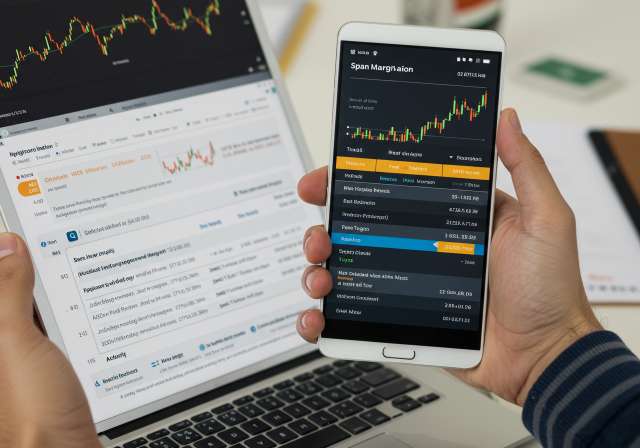
    Risk Management in Futures & Options Trading

  • Unlock the Power of Derivatives: A Beginner’s Guide to F&O Trading

    Unlock the Power of Derivatives: A Beginner’s Guide to F&O Trading

    Demystifying F&O Trading: Understand futures & options, strategies, risks, and rewards in the Indian stock market. Navigate NSE/BSE with confidence and learn ab

    Demystifying f&o trading: Understand futures & options, strategies, risks, and rewards in the Indian stock market. Navigate NSE/BSE with confidence and learn about F&O trading.

    Unlock the Power of Derivatives: A Beginner’s Guide to F&O Trading

    Understanding the Basics: What are Futures and Options?

    The Indian stock market offers a plethora of investment opportunities, and derivatives, specifically Futures and Options (F&O), are a significant part of it. These instruments allow investors to speculate on the future price movements of underlying assets without actually owning them. Think of it as betting on whether a particular stock or index will go up or down, but with predefined rules and leverage.

    Futures: A Commitment to Buy or Sell

    A futures contract is an agreement to buy or sell an asset at a predetermined price and date in the future. Both the buyer and seller are obligated to fulfill the contract. Let’s say you believe that Reliance Industries’ stock price will rise in the next month. You could buy a Reliance Industries futures contract, locking in a price. If the price indeed rises, you can sell the contract before the expiry date and pocket the difference. Conversely, if the price falls, you’ll incur a loss.

    In India, futures contracts are traded on exchanges like the National Stock Exchange (NSE) and the Bombay Stock Exchange (BSE). They are standardized with specific lot sizes and expiry dates. This standardization ensures liquidity and transparency.

    Options: The Right, But Not the Obligation

    Unlike futures, options contracts give the buyer the right, but not the obligation, to buy or sell an underlying asset at a specific price (the strike price) on or before a certain date (the expiry date). There are two types of options:

    • Call Option: Gives the buyer the right to buy the underlying asset at the strike price.
    • Put Option: Gives the buyer the right to sell the underlying asset at the strike price.

    Options buyers pay a premium to the seller for this right. If the market moves favorably, the option buyer can exercise the option and profit. However, if the market moves against them, they can simply let the option expire and lose only the premium paid. Options sellers, on the other hand, receive the premium and are obligated to fulfill the contract if the buyer exercises their right. This creates a risk-reward profile that is opposite to that of the buyer.

    Why Trade in F&O? Advantages and Considerations

    Several factors attract investors to the F&O market in India:

    Leverage: Amplifying Gains (and Losses)

    F&O trading allows you to control a large notional value of assets with a relatively small amount of capital (margin). This leverage can amplify both your profits and losses. While the potential for high returns is alluring, it’s crucial to understand the increased risk involved.

    For example, with a margin of ₹50,000, you might be able to control a futures contract worth ₹5,00,000. A 1% move in the underlying asset can translate to a 10% gain or loss on your investment.

    Hedging: Protecting Your Portfolio

    F&O can be used to hedge your existing equity portfolio against market downturns. For instance, if you hold a portfolio of stocks, you can buy put options on the Nifty 50 index to protect against potential losses. If the market falls, the profit from your put options can offset the losses in your stock portfolio.

    Price Discovery: Gauging Market Sentiment

    The F&O market provides valuable insights into market sentiment and future price expectations. Analyzing trading volumes and open interest in futures and options contracts can help you gauge whether investors are bullish or bearish on a particular asset.

    Income Generation: Options Selling Strategies

    Experienced traders can generate income by selling options. By strategically selling call or put options, you can collect premiums, provided the market doesn’t move significantly against your position. However, options selling requires a thorough understanding of risk management and potential unlimited losses.

    Navigating the Risks: A Word of Caution

    While the potential rewards of F&O trading are attractive, it’s essential to be aware of the inherent risks involved. Remember that the Securities and Exchange Board of India (SEBI) emphasizes investor awareness and risk disclosure.

    High Volatility: Rapid Price Swings

    The F&O market is often more volatile than the cash market. Prices can fluctuate rapidly and unpredictably, leading to significant losses if you’re not prepared.

    Unlimited Losses: The Peril of Options Selling

    As mentioned earlier, options sellers face the risk of potentially unlimited losses. If the market moves significantly against your position, you may be required to fulfill the contract at a price far higher than your initial expectation.

    Time Decay: The Enemy of Option Buyers

    Options have a limited lifespan. As the expiry date approaches, the value of an option decreases due to time decay (Theta). This means that even if the underlying asset price remains stable, your option value can still decline.

    Margin Calls: A Sudden Demand for Funds

    If your trading positions incur losses, your broker may issue a margin call, requiring you to deposit additional funds to maintain your positions. Failure to meet a margin call can result in your positions being liquidated, potentially at a significant loss.

    Strategies for Success: Approaching F&O Trading with Discipline

    To succeed in F&O trading, it’s crucial to develop a well-defined strategy and adhere to strict risk management principles.

    Start Small: Learn the Ropes Gradually

    Begin with a small amount of capital that you’re willing to lose. Don’t be tempted to invest large sums until you have a solid understanding of the market dynamics and your trading strategy.

    Educate Yourself: Knowledge is Power

    Take the time to learn about F&O concepts, trading strategies, and risk management techniques. There are numerous online resources, courses, and books available to help you enhance your knowledge. Understand the impact of factors like India VIX.

    Develop a Trading Plan: Define Your Goals and Rules

    Create a detailed trading plan that outlines your investment goals, risk tolerance, entry and exit criteria, and position sizing rules. Sticking to your plan will help you avoid impulsive decisions and emotional trading.

    Use Stop-Loss Orders: Limit Your Potential Losses

    Always use stop-loss orders to automatically exit a trade if the price moves against you. This will help you limit your potential losses and protect your capital.

    Manage Your Risk: Don’t Put All Your Eggs in One Basket

    Diversify your trading portfolio across different assets and strategies. Avoid over-leveraging and never risk more than you can afford to lose on a single trade.

    Keep a Trading Journal: Track Your Progress and Learn from Your Mistakes

    Maintain a detailed trading journal to track your trades, record your observations, and analyze your performance. This will help you identify your strengths and weaknesses and improve your trading skills over time.

    F&O vs. Other Investment Options: Making the Right Choice

    F&O trading is significantly different from other investment options available to Indian investors, such as equity investments, mutual funds (including SIPs and ELSS funds), Public Provident Fund (PPF), and National Pension System (NPS). While each option has its own merits, F&O trading stands out due to its inherent leverage and higher risk profile.

    Unlike investing in equities directly, where you own a portion of the company, F&O trading is based on speculation about future price movements. Mutual funds offer diversification and professional management, reducing individual stock-picking risk. PPF and NPS are long-term, tax-advantaged retirement savings options with relatively low risk. F&O, in contrast, is a short-term, high-risk activity that requires active monitoring and a deep understanding of market dynamics.

    Conclusion: Is F&O Trading Right for You?

    F&O trading can be a lucrative avenue for experienced investors seeking high returns, but it’s not for the faint of heart. The high leverage and volatility involved can lead to substantial losses if not managed carefully. Before venturing into the F&O market, it’s crucial to thoroughly understand the risks, develop a robust trading strategy, and practice strict risk management techniques.

    Remember to prioritize education, start small, and never risk more than you can afford to lose. Consider consulting with a qualified financial advisor to determine if F&O trading aligns with your investment goals and risk tolerance. Always stay updated on market trends and regulations from SEBI and other relevant authorities to make informed trading decisions.

  • Basket Order Trading: Streamline Your Investments in the Indian Market

    Basket Order Trading: Streamline Your Investments in the Indian Market

    Simplify your investing strategy! Learn about basket order trading in India, its benefits, and how it can optimize your portfolio. Trade smarter on NSE & BSE! B

    Simplify your investing strategy! Learn about basket order trading in India, its benefits, and how it can optimize your portfolio. Trade smarter on NSE & BSE!

    Basket Order Trading: Streamline Your Investments in the Indian Market

    Introduction: What is a Basket Order?

    In the dynamic world of Indian equity markets, efficiency and precision are paramount. Whether you’re a seasoned trader or a novice investor exploring options like SIPs and ELSS funds, the ability to execute complex trading strategies quickly and accurately can significantly impact your returns. This is where the concept of a basket order comes into play. A basket order, in essence, is a collection of multiple orders for different securities that are executed simultaneously as a single transaction. Imagine buying shares of ten different companies in a single click instead of placing ten separate orders – that’s the power of a basket order.

    Understanding the Mechanics of a Basket Order

    Think of a basket order as a pre-defined portfolio of stocks, ETFs, or even options contracts. You, as the investor, curate this basket according to your investment strategy, risk appetite, and market outlook. This can be incredibly useful for strategies like:

    • Sector Diversification: Building a portfolio across various sectors (e.g., IT, Finance, Healthcare) to mitigate risk.
    • Index Replication: Mimicking the composition of indices like the Nifty 50 or Sensex.
    • Arbitrage Opportunities: Exploiting price differences in the same security across different exchanges (NSE and BSE).
    • Option Strategies: Implementing complex options strategies that require simultaneous buying and selling of multiple contracts.

    The process typically involves creating a template with the desired securities, quantities, and order types (market or limit). Once the basket is defined, you can execute the entire order with a single click, saving valuable time and effort.

    Benefits of Using Basket Orders

    The allure of basket orders lies in their numerous advantages for Indian investors navigating the complexities of the stock market. Here’s a closer look at some key benefits:

    Time Efficiency and Convenience

    One of the most significant advantages is the substantial time savings. Instead of manually placing multiple orders, which can be time-consuming and tedious, you can execute an entire portfolio with a single command. This is particularly beneficial for active traders who need to react quickly to market movements.

    Reduced Risk of Errors

    Manual order entry is prone to human error, especially when dealing with a large number of securities. Basket orders eliminate the risk of accidentally entering incorrect quantities or prices, ensuring that your trading strategy is executed as intended. This is crucial for risk management and portfolio optimization.

    Improved Order Execution

    Basket order trading allows for simultaneous execution of all orders, which can lead to better pricing and reduced slippage. Slippage refers to the difference between the expected price of a trade and the actual price at which it is executed. By executing orders simultaneously, you minimize the impact of price fluctuations on individual securities.

    Strategic Portfolio Management

    Basket orders are an invaluable tool for managing complex portfolios. Whether you’re rebalancing your portfolio to maintain your desired asset allocation or implementing a specific investment strategy, basket orders make the process seamless and efficient. They allow you to quickly adjust your holdings to align with your financial goals.

    Enhanced Flexibility

    Most brokerage platforms that offer basket order functionality allow you to modify the basket before execution. You can adjust the quantities of individual securities, add or remove securities, and change order types based on prevailing market conditions. This flexibility ensures that your trading strategy remains adaptable to changing market dynamics.

    How to Use Basket Orders: A Step-by-Step Guide

    While the specific implementation may vary depending on your broker, the general process of using basket orders typically involves the following steps:

    1. Choose a Brokerage Platform: Select a brokerage that offers basket order functionality. Many leading brokers in India, like Zerodha, Upstox, and Angel One, provide this feature.
    2. Create a Basket: Name your basket and add the desired securities to it. Specify the quantity and order type (market or limit) for each security.
    3. Analyze the Basket: Review the overall composition of your basket to ensure that it aligns with your investment strategy and risk tolerance.
    4. Monitor the Market: Keep a close eye on market conditions to determine the optimal time to execute your basket order.
    5. Execute the Basket: Once you’re satisfied, execute the entire basket order with a single click.
    6. Review and Adjust: After execution, review the order details and make any necessary adjustments to your portfolio.

    Examples of Basket Order Applications

    To illustrate the versatility of basket orders, let’s consider a few practical examples:

    Index Investing

    Imagine you want to invest in the Nifty 50 index. Instead of buying shares of all 50 companies individually, you can create a basket order with the exact composition of the index. This allows you to replicate the performance of the Nifty 50 with a single transaction.

    Sector Rotation Strategy

    Suppose you believe that the IT sector is poised for growth. You can create a basket order containing shares of leading IT companies in India, such as TCS, Infosys, and HCL Technologies. This allows you to quickly gain exposure to the IT sector without having to research and place individual orders for each company.

    Hedging Strategy

    If you hold a large portfolio of stocks, you may want to hedge your downside risk by buying put options on the Nifty 50 index. You can create a basket order that includes both your stock holdings and the corresponding put options. This allows you to protect your portfolio against market downturns.

    Risks Associated with Basket Orders

    While basket orders offer numerous advantages, it’s essential to be aware of the potential risks involved:

    Slippage

    Although basket orders aim to minimize slippage, it can still occur, especially during periods of high volatility. The actual execution price of individual securities may deviate from the expected price, leading to a slight difference in overall returns.

    Order Rejection

    If one or more orders within the basket are rejected due to insufficient funds or other reasons, the entire basket order may be rejected. This can disrupt your trading strategy and potentially lead to missed opportunities.

    Technical Glitches

    Like any technology-based solution, basket order platforms are susceptible to technical glitches or system errors. These issues can prevent you from executing your orders or accessing your account, potentially resulting in financial losses.

    Basket Orders vs. Other Trading Methods

    Compared to traditional methods of placing individual orders, basket orders offer significant advantages in terms of efficiency and convenience. However, it’s important to understand the differences between basket orders and other trading methods, such as algorithmic trading.

    Algorithmic Trading

    Algorithmic trading involves using computer programs to execute trades based on pre-defined rules and parameters. While algorithmic trading offers a high degree of automation and precision, it requires specialized knowledge and expertise. Basket orders, on the other hand, are relatively simple to use and do not require advanced programming skills.

    Direct Market Access (DMA)

    Direct Market Access (DMA) allows traders to directly access the exchange’s order book, bypassing the broker’s dealing desk. DMA can provide greater control over order execution but is typically used by sophisticated traders with a deep understanding of market mechanics. Basket orders offer a more user-friendly alternative for most retail investors.

    Basket Order Trading and the Indian Regulatory Landscape

    In India, the Securities and Exchange Board of India (SEBI) regulates the stock market and sets guidelines for trading activities. While SEBI does not have specific regulations exclusively for basket orders, existing rules and regulations governing order execution, risk management, and investor protection apply to basket order trading as well. It is crucial to choose a SEBI-registered broker and adhere to all applicable regulations when using basket orders.

    Conclusion: Harnessing the Power of Basket Orders

    Basket order trading is a valuable tool for Indian investors looking to streamline their investment strategies, reduce errors, and improve order execution. By understanding the mechanics, benefits, and risks associated with basket orders, you can leverage this powerful feature to achieve your financial goals. Whether you’re building a diversified portfolio, replicating an index, or implementing a complex options strategy, basket orders can help you navigate the complexities of the Indian equity markets with greater efficiency and precision. Remember to choose a reputable broker, conduct thorough research, and always prioritize risk management when using basket orders. And as always, consider consulting a financial advisor before making any investment decisions, especially when dealing with complex instruments. Don’t forget to explore options like mutual funds, SIPs, ELSS, PPF, and NPS to diversify your investment portfolio further.

  • Intraday Trading: A Beginner’s Guide for Indian Investors

    Intraday Trading: A Beginner’s Guide for Indian Investors

    Demystifying Intraday Trading: A comprehensive guide for Indian investors. Learn strategies, risks & regulations to navigate the volatile world of buying and se

    Demystifying intraday trading: A comprehensive guide for Indian investors. Learn strategies, risks & regulations to navigate the volatile world of buying and selling stocks within the same trading day. Master intraday trading in the Indian stock market!

    Intraday Trading: A Beginner’s Guide for Indian Investors

    Introduction: Riding the Wave of Daily Market Movements

    The Indian stock market, with its vibrant exchanges like the NSE (National Stock Exchange) and BSE (Bombay Stock Exchange), offers a multitude of opportunities for investors. While long-term investing through avenues like mutual funds, SIPs (Systematic Investment Plans), and instruments such as PPF (Public Provident Fund) and NPS (National Pension System) are popular and recommended for wealth creation, some investors are drawn to the potential for quick profits offered by a more active approach. This is where the world of daily trading comes into play.

    But before you dive headfirst into this exciting yet challenging landscape, it’s crucial to understand the nuances, risks, and strategies involved. This comprehensive guide aims to equip you with the knowledge you need to make informed decisions and navigate the Indian market effectively.

    What is Intraday Trading?

    Unlike traditional investing where you buy stocks with the intention of holding them for months or years, intraday involves buying and selling stocks (or other financial instruments like futures and options) within the same trading day. The goal is to profit from short-term price fluctuations. Positions are typically squared off before the market closes, meaning you don’t hold any stocks overnight.

    For example, you might buy shares of Reliance Industries at ₹2,500 in the morning, hoping the price will rise. If the price climbs to ₹2,520 by afternoon, you would sell those shares, making a profit of ₹20 per share (minus brokerage and other transaction costs).

    Key Concepts and Terminology

    Before venturing into the intricacies of this type of trading, it’s important to familiarize yourself with some common terms:

    • Leverage: This allows you to trade with more capital than you actually have. Brokers provide leverage (also called margin), which amplifies both potential profits and losses. In India, SEBI (Securities and Exchange Board of India) regulates the leverage that brokers can offer.
    • Stop-Loss Orders: A crucial risk management tool. A stop-loss order automatically sells your stock if it reaches a specified price, limiting potential losses.
    • Target Price: The price at which you plan to sell your stock to realize a profit.
    • Technical Analysis: Using charts, patterns, and indicators to analyze price movements and predict future trends.
    • Fundamental Analysis: Evaluating a company’s financial health and performance to determine its intrinsic value. While less commonly used in pure intraday trading, it can still provide valuable context.
    • Order Types: Different ways to place your orders, such as market orders (executed immediately at the best available price) and limit orders (executed only at a specified price or better).

    Strategies for Indian Intraday Traders

    Success in daily trading requires a well-defined strategy and disciplined execution. Here are some popular strategies used by Indian traders:

    1. Trend Following

    This strategy involves identifying stocks that are exhibiting a clear upward or downward trend and then taking positions in the direction of the trend. For example, if a stock is consistently making higher highs and higher lows, it’s considered to be in an uptrend, and a trend-following trader would buy the stock.

    2. Breakout Trading

    Breakouts occur when a stock’s price moves above a significant resistance level or below a significant support level. Breakout traders attempt to capitalize on these sudden price movements by buying stocks that break above resistance or selling stocks that break below support.

    3. Scalping

    Scalping is a high-frequency strategy that involves making numerous small profits by taking advantage of tiny price fluctuations. Scalpers typically hold positions for only a few seconds or minutes and aim to capture just a few ticks of profit on each trade.

    4. Range Trading

    Some stocks trade within a defined price range, oscillating between a support level and a resistance level. Range traders buy the stock when it approaches the support level and sell it when it approaches the resistance level.

    5. News Trading

    Significant news events, such as earnings announcements, economic data releases, or policy changes, can have a major impact on stock prices. News traders attempt to profit from these price movements by taking positions based on the expected reaction to the news.

    Risk Management: Protecting Your Capital

    Risk management is paramount in the world of trading. Due to the leverage involved, losses can accumulate quickly. Here are some essential risk management techniques:

    • Set Stop-Loss Orders: Always use stop-loss orders to limit potential losses on each trade. Determine your risk tolerance and set stop-loss levels accordingly.
    • Manage Leverage: Be cautious with leverage. While it can amplify profits, it can also magnify losses. Start with low leverage and gradually increase it as you gain experience.
    • Diversify Your Trades: Don’t put all your eggs in one basket. Spread your capital across multiple trades to reduce the impact of any single losing trade.
    • Calculate Risk-Reward Ratio: Before entering any trade, assess the potential profit relative to the potential loss. Aim for a risk-reward ratio of at least 1:2, meaning you’re risking ₹1 to potentially make ₹2.
    • Stay Disciplined: Stick to your trading plan and avoid making impulsive decisions based on emotions.

    The Role of Technical Analysis

    Technical analysis is a crucial tool for any intraday trader. It involves analyzing price charts, patterns, and technical indicators to identify potential trading opportunities. Here are some popular technical indicators used by Indian traders:

    • Moving Averages: Used to smooth out price data and identify trends.
    • Relative Strength Index (RSI): A momentum indicator that measures the magnitude of recent price changes to evaluate overbought or oversold conditions.
    • Moving Average Convergence Divergence (MACD): A trend-following momentum indicator that shows the relationship between two moving averages of a stock’s price.
    • Bollinger Bands: Volatility bands that can help identify potential breakout or breakdown opportunities.
    • Fibonacci Retracement Levels: Used to identify potential support and resistance levels based on Fibonacci ratios.

    Choosing the Right Stocks for Intraday Trading in India

    Selecting the right stocks is crucial for success. Look for stocks that:

    • Have High Liquidity: This ensures you can easily buy and sell the stock without significantly affecting its price. Liquid stocks typically have high trading volumes.
    • Exhibit Volatility: Price fluctuations are essential for making profits. Look for stocks that have a high Average True Range (ATR).
    • Are Part of Major Indices: Stocks included in the Nifty 50 or Sensex are often preferred due to their high liquidity and transparency.
    • Have News Catalysts: Stocks that are expected to react to news events, such as earnings announcements or regulatory changes, can present opportunities.

    The Importance of a Trading Plan

    A well-defined trading plan is essential for success. Your plan should outline:

    • Your Trading Goals: What are you hoping to achieve?
    • Your Risk Tolerance: How much are you willing to lose on each trade?
    • Your Trading Strategies: Which strategies will you use?
    • Your Stock Selection Criteria: What factors will you consider when choosing stocks to trade?
    • Your Entry and Exit Rules: When will you enter and exit a trade?
    • Your Risk Management Rules: How will you manage your risk?
    • Record Keeping: Keep a detailed record of all your trades, including the reasons for entering and exiting the trades. This will help you analyze your performance and identify areas for improvement.

    Brokerage and Other Costs

    Remember to factor in brokerage fees, transaction charges, and taxes when calculating your potential profits. These costs can eat into your returns, especially with high-frequency trading strategies. Many Indian brokers offer different brokerage plans, so shop around for the best deals. Discount brokers often have lower fees, but may offer fewer services.

    Taxation on Intraday Trading Profits

    Profits from intraday trading are considered speculative business income and are taxed according to your income tax slab. It’s important to consult with a tax advisor to understand the tax implications of your trading activities.

    Staying Updated and Informed

    The stock market is constantly changing, so it’s important to stay updated on the latest news, trends, and regulations. Follow reputable financial news sources, attend seminars and workshops, and consider joining online trading communities to learn from other traders. SEBI also provides resources and investor education programs.

    Conclusion: Is it Right for You?

    Daily trading can be a potentially rewarding but also highly risky activity. It requires a significant amount of time, effort, and discipline. Before you start trading, make sure you have a solid understanding of the risks involved, a well-defined trading plan, and the ability to manage your emotions. If you’re not prepared to put in the work, it’s best to stick to more traditional forms of investing like SIPs in equity mutual funds or long-term investments in fundamentally strong companies.

    Always remember that there are no guaranteed profits in the stock market. Approach it with caution, educate yourself, and manage your risk effectively.